Fugees: 30 Years of “Bootleg Versions”
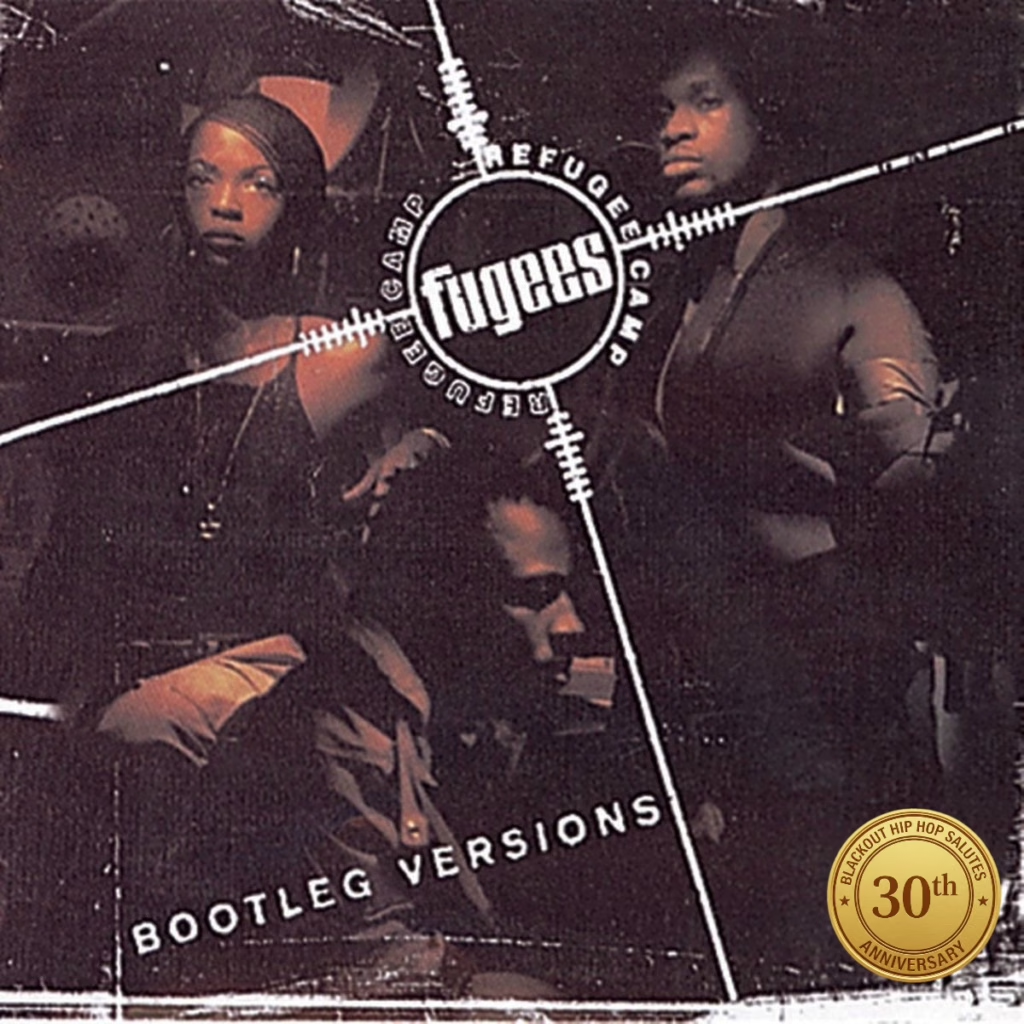
On this day, November 26, 1996, iconic New Jersey trio Fugees—comprising Lauryn Hill, Wyclef Jean, and Pras—released the remix album Bootleg Versions (also issued in certain territories as Refugee Camp – Bootleg Versions) via Ruffhouse and Columbia Records. Thirty years later, this eight-track, 38-minute collection offers a revealing snapshot of the South Orange group at the absolute peak of their global fame. Arriving just nine months after their multi-platinum phenomenon The Score conquered worldwide charts, Bootleg Versions brought together alternate takes on their biggest hits, early club remixes from their 1994 debut Blunted on Reality, a live recording from London, and one brand-new studio track.
Bridging Underground Clubs and Mainstream Dominance
To appreciate why Bootleg Versions mattered in late 1996, it helps to look at how the Fugees originally broke through. While The Score spent the spring and summer of 1996 dominating pop radio, global charts, and MTV rotation, the group’s earliest underground credibility was forged in hip-hop clubs and late-night mixshows through gritty 12-inch remixes and live performances. Having started out as the Tranzlator Crew before working with Kool & the Gang’s Ronald “Khalis” Bell and adopting the name Fugees—a nod to Wyclef and Pras’ Haitian heritage—the trio initially struggled for mainstream traction. Their 1994 debut Blunted on Reality sold modestly in its original album form, yet reworked singles like “Nappy Heads” and “Vocab” caught fire on mixshows, introduced their eclectic sound to a wider audience, and convinced Ruffhouse Records to fund the sessions at Wyclef’s uncle’s Booga Basement studio that produced The Score.
Rather than acting as a throwaway holiday cash-in, Bootleg Versions gathered those sought-after vinyl and maxi-single mixes onto a single cohesive release. It opens with a jolt of New York street grit on the five-minute “Ready or Not (Clark Kent/Django Remix)”, where late Brooklyn production legend DJ Clark Kent swaps the dreamy original backdrop for hard-hitting boom-bap drums and heavy low-end that sharpen every bar from Hill, Wyclef, and Pras. Later in the sequence, longtime collaborator Salaam Remi delivers his own club-ready spin on the track with “Ready or Not (Salaam’s Ready For The Show Remix)”, highlighting how adaptable the group’s vocals were across contrasting beats.
Salaam Remi, Early Classics, and “Don’t Cry Dry Your Eyes”
Salaam Remi‘s fingerprints are all over the project, underscoring his vital role in shaping the trio’s early sonic identity. Alongside his “Ready or Not” rework, the collection features the sprawling seven-minute “Vocab (Salaam’s Remix)” as well as the album-closing “Vocab (Refugees Hip-Hop Remix)”, both showcasing how effortlessly the group wove Jamaican reggae cadences, melodic hooks, and sharp East Coast lyricism into one cohesive sound. Originally from their debut era, “Vocab” proved early on that Fugees could command both acoustic grooves and club-ready rhythms.
Equally pivotal is “Nappy Heads (Mad Spider Mix)” (also stylized as Madd Spider Mix), the up-tempo 1994 remix that became the group’s first Billboard Hot 100 entry and earned heavy rotation on MTV. Driven by punchier percussion, crisp drum programming, and a brighter club bounce than the original album version, it remains one of their signature early-era statements and a staple of nineties hip-hop playlists. Rounding out the studio side is the lone newly recorded cut, “Don’t Cry Dry Your Eyes”, produced by Wyclef Jean, Jerry “Te Bass” Duplessis, and Lauryn Hill—a soulful, reggae-tinged track anchored by warm vocal harmonies and reflective storytelling.
Brixton Academy, Stephen Marley, and Caribbean Roots
The second half of Bootleg Versions highlights both the trio’s live stage presence and their deep Caribbean roots. Track six, “Killing Me Softly (Live at the Brixton Academy)”, captures a brisk, crowd-pleasing London performance where the audience carries the chorus of one of the decade’s defining singles, underscoring Lauryn Hill’s commanding vocal presence even outside the studio. Right after, “No Woman, No Cry (Stephen Marley Remix)” pairs the group with Bob Marley’s son Stephen Marley, adding rich, authentic Jamaican dub and reggae textures to their beloved cover from The Score while honoring Wyclef and Pras’ Haitian heritage and connecting two distinct islands through shared musical DNA.
Across all eight tracks—with additional production work from Phil Nicolo and Te-Bass Productions alongside the core Refugee Camp team—Bootleg Versions moves fluidly from gritty boom-bap drums to live vocals and reggae basslines, demonstrating why Fugees stood apart in mid-nineties hip-hop. In an era dominated by hard-edged mafioso rap on the East Coast and G-funk on the West, the trio carved out a singular lane built on genre fusion, socially conscious lyricism, sharp chemistry, and live instrumentation that resonated with listeners around the globe.
Chart Run, Reissues, and 30-Year Legacy
As a remix collection released while The Score was still selling millions, Bootleg Versions posted modest US chart numbers—peaking at number 127 on the Billboard 200 and number 50 on the Top R&B/Hip-Hop Albums chart—while performing notably stronger in the United Kingdom, where it reached number 55 on the UK Albums Chart, hit number nine on the UK R&B Albums Chart, and earned BPI Silver certification for over 60,000 units. In a retrospective review, AllMusic’s Leo Stanley awarded the set three out of five stars, calling it a solid companion piece for dedicated fans that showcases the trio’s versatility across club-ready hip-hop, dub-inflected reggae, and live soul arrangements without losing the spark of the original recordings.
Looking back thirty years later, Bootleg Versions also stands as the final release of the Fugees’ classic era before Hill, Wyclef, and Pras embarked on solo careers in 1997. It was later packaged alongside The Score on the 2001 double-disc reissue The Complete Score and included in the 2011 three-CD box set Original Album Classics alongside both studio albums. Thirty years on, its mixes still surface in DJ sets and throwback playlists, serving as an essential reminder of the creative range, cultural pride, studio experimentation, and musical fearlessness that made Fugees one of the most distinctive, genre-defying, and commercially successful hip-hop groups of their entire generation across both sides of the Atlantic.