Mobb Deep: 30 Years of the Classic “Hell on Earth”
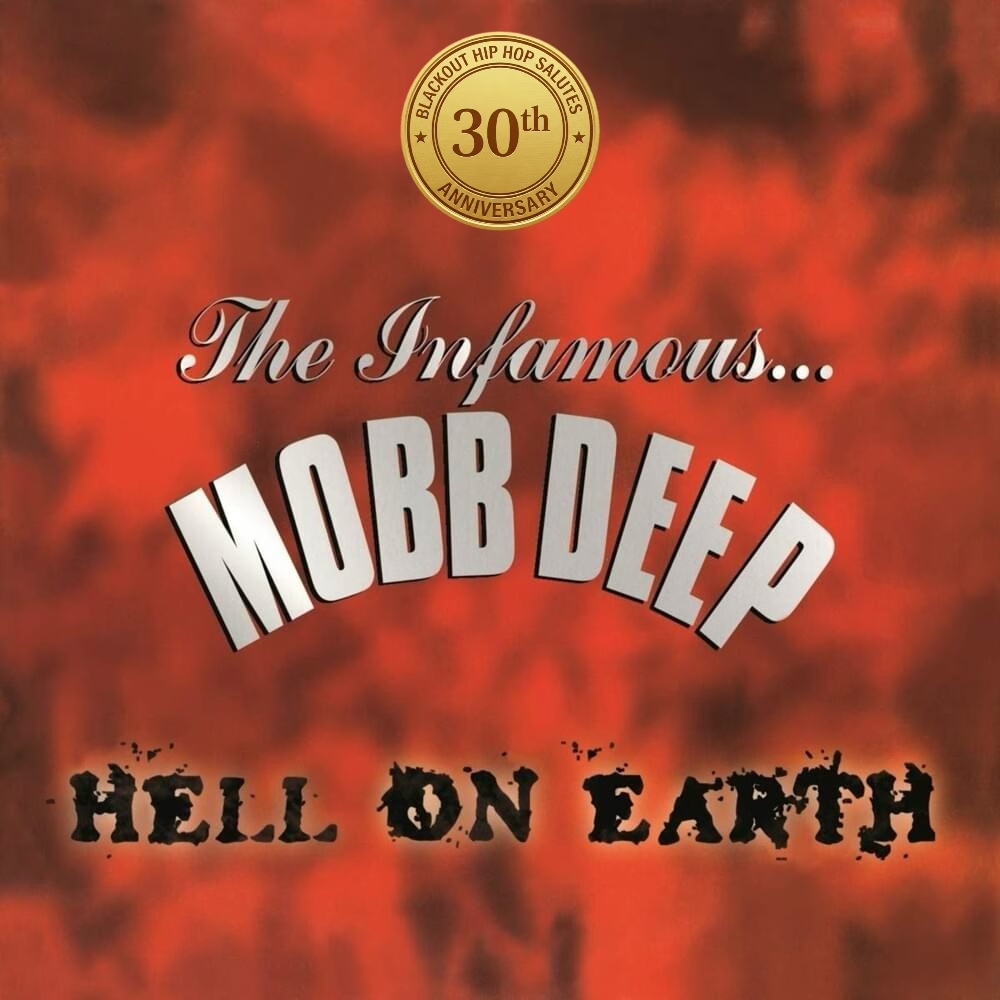
On this day, November 19, 1996, iconic Queensbridge duo Mobb Deep—composed of Prodigy and Havoc—released their third studio album, Hell on Earth, through Loud Records and RCA Records. Exactly three decades later, this record stands as the darkest, bleakest, and most uncompromising crime saga in East Coast hardcore hip-hop history. Arriving just nineteen months after their 1995 breakthrough The Infamous reshaped New York rap—and barely three years removed from their teenage debut Juvenile Hell (1993)—Hell on Earth plunged listeners even deeper into the concrete labyrinths of Queens, crafting a claustrophobic sonic motion picture whose chilling, cinematic tension remains completely intact across three full decades of New York hip-hop evolution.
Recorded Amid the Coastal War and Queensbridge Shadows
To understand the suffocating intensity permeating every bar of Hell on Earth, one must revisit the volatile autumn of 1996. Recorded at New York’s Platinum Island and Axis Recording Studios (with engineer Mario Rodriguez behind the boards) during the absolute peak of the East Coast–West Coast rivalry, the album carried palpable real-world stakes. On August 25, 1996, Mobb Deep issued the scorching single „Drop a Gem on ‘Em” as a direct response to 2Pac’s „Hit ‘Em Up”; following Tupac’s tragic murder in September, Prodigy and Havoc immediately pulled the song’s music video out of respect. Even so, the track itself remained one of the coldest, sharpest, and most technically devastating lyrical responses of 1996, pairing bone-chilling piano chords with Havoc’s thunderous drum programming. Notably, Prodigy even included shout-outs to West Coast peers such as Snoop Dogg, Tha Dogg Pound, and Xzibit in the liner notes, underscoring that their art reflected street code rather than blind regional hostility.
Lyrically, whereas The Infamous felt like a harrowing documentary of teenage survival, Hell on Earth escalated the narrative to mythic proportions. As The Rolling Stone Album Guide famously observed, the stickup kids of the prior album had evolved into hardened kingpins, exploring themes of retribution, paranoia, betrayal, and mortality across fourteen North American tracks (plus „In the Long Run” featuring Ty Nitty and Money No, unlocked on computers as one of the era’s earliest enhanced CDs, while international pressings added „Shook Ones Pt. I”).
Havoc’s Claustrophobic Architecture: Pianos, Strings, and Cold Concrete
Unlike many mid-nineties records relying on a rotating cast of outside hitmakers, Hell on Earth was produced entirely in-house by Havoc (credited to Mobb Deep). Rejecting the glossy, radio-chasing disco loops infiltrating mainstream rap, Havoc perfected an eerie, atmospheric minimalism built on haunted piano keys, tense string sections, film-score samples, and razor-sharp drums that sounded like an endless November night in the Queensbridge projects.
The blueprint shines brightest on third single „Hell on Earth (Front Lines)”, released October 4, 1996, where a bone-chilling piano motif anchors Prodigy’s iconic verses—still quoted as street gospel decades later. Fourth single „G.O.D. Pt. III” (issued in April 1997) marries menacing synthesizers with cold-blooded street philosophy, while opener „Animal Instinct” (featuring Infamous Mobb’s Twin Gambino and Ty Nitty) and the relentless „Bloodsport” establish an atmosphere of inescapable street dread from the very first minute.
Wu-Tang, Nas, and the Queensbridge Brotherhood
While the album belongs unmistakably to Prodigy and Havoc’s insular chemistry, a tight circle of elite guests amplifies its cinematic weight. Wu-Tang Clan standout Method Man tears through the menacing „Extortion”, while fellow Shaolin titan Raekwon brings razor-sharp mafioso storytelling to „Nighttime Vultures”, extending the classic cross-borough alliance forged on Only Built 4 Cuban Linx… and injecting unmistakable Staten Island grit straight into Queensbridge’s darkest hour.
Naturally, no Mobb Deep record of this era would be complete without frequent cohort Big Noyd, who commands „Man Down” before teaming with Queensbridge icon Nas on the triumphant „Give It Up Fast”, proving beyond a shadow of a doubt why their housing projects stood at the absolute epicenter of nineties New York lyricism and street storytelling. Elsewhere, early promotional single „Still Shinin’”, „More Trife Life”, „Can’t Get Enough of It” (featuring General G), and „Get Dealt With” build relentless, suffocating momentum toward the apocalyptic album finale „Apostle’s Warning”, capped by one of Prodigy’s most haunting, unforgettable, and lyrically devastating closing verses in Queensbridge history.
Gold Certification and Thirty Years of Immortality
Upon its November 1996 arrival, Hell on Earth earned widespread acclaim and immediate commercial success. The album debuted at number six on the US Billboard 200 and stormed straight to number one on the Top R&B/Hip-Hop Albums chart (finishing at number 35 on the 1997 year-end tally while also charting in the UK and Sweden), earning RIAA Gold certification on April 9, 1997, for half a million US copies shipped (alongside BPI Silver status in the UK). Publications including The Source (4.5/5), Spin (8/10), Entertainment Weekly, and the Los Angeles Times hailed Prodigy’s surreal street cinema and Havoc’s relentless sonic precision. Cheo Hodari Coker compared their underworld portrait to Martin Scorsese’s finest films, Spin’s Sacha Jenkins likened its pursuit of retribution to Charles Bronson in Death Wish, and AllMusic’s Steve Huey praised how it refined and amplified every dark element that made The Infamous a classic, noting its bleaker narratives and creepier production, while Q magazine later named it one of the 50 Heaviest Albums of All Time.
Even thirty years later—and despite the heartbreaking loss of Prodigy in June 2017—its shadow looms larger than ever, underscored by sold-out anniversary tour dates, its 2026 return to European album charts, and Havoc’s enduring production influence across generations including Kanye West’s The Life of Pablo and Eminem’s Recovery. Remarkably, it was during Mobb Deep and Smif-N-Wessun’s Hell on Earth tour in April 2016 that Prodigy was introduced to Conway the Machine, symbolically passing the Queensbridge torch forward. From Griselda to modern underground lyricists worldwide, Hell on Earth endures as an immortal monument to Queensbridge realism and pure East Coast mastery. Standing tall alongside 1996 classics from Xzibit and Sadat X during Steve Rifkind’s golden era at Loud Records, this dark masterpiece paved the way for 1999’s platinum triumph Murda Muzik and secured Mobb Deep’s permanent place among the most influential duos in global rap history.