Beastie Boys: 40 Years of “Licensed to Ill”
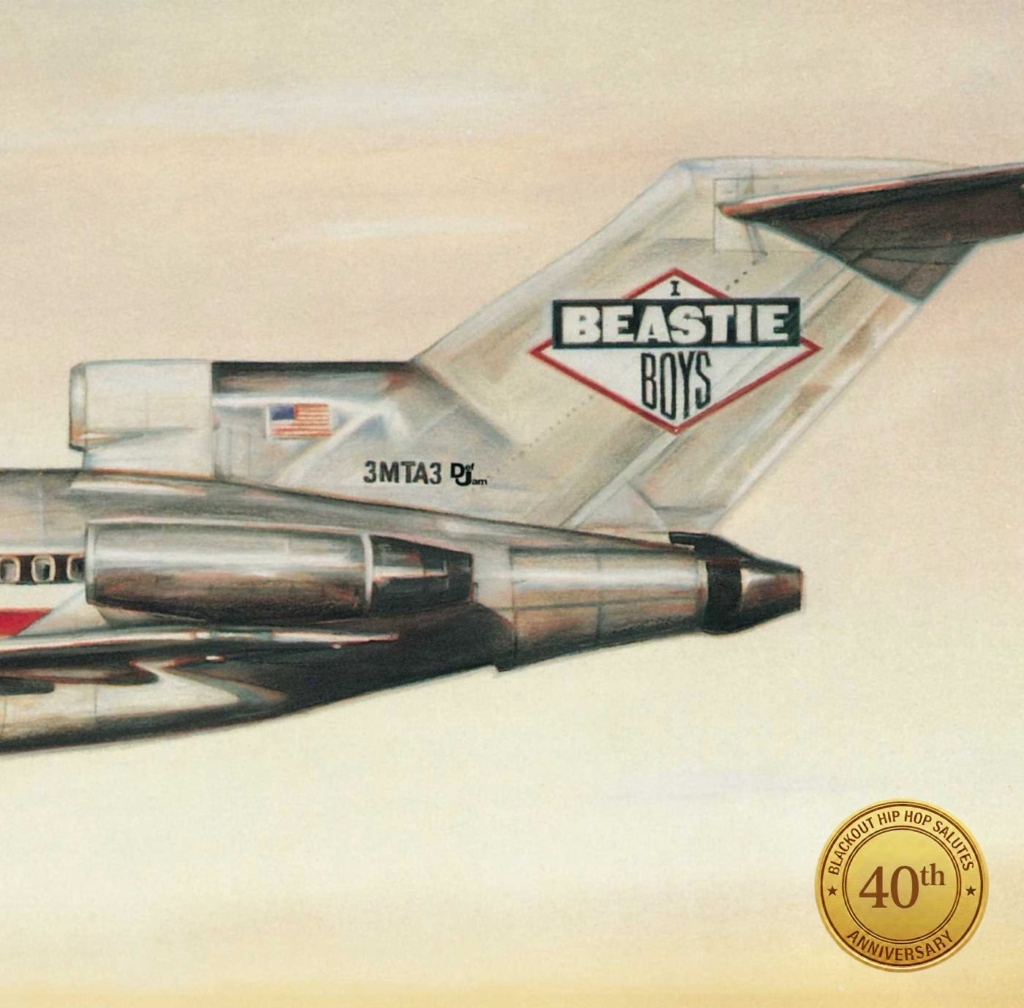
On this day, November 15, 1986, New York City trio Beastie Boys unleashed their groundbreaking debut studio album, Licensed to Ill, via Def Jam Recordings and Columbia Records. Exactly forty years later, it remains impossible to overstate the cultural shockwave triggered by this record. As the very first rap LP in history to reach number one on the US Billboard 200 chart—spending seven consecutive weeks atop the tally— Licensed to Ill shattered commercial and stylistic barriers, fusing Lower Manhattan street swagger with the raw fury of punk and heavy metal while proving hip-hop could conquer mainstream youth culture worldwide.
From Hardcore Punk Roots to the Def Jam Revolution
The unlikely journey behind this milestone began in the early eighties across Manhattan and Brooklyn, where Mike D (Michael Diamond), MCA (Adam Yauch), and Ad-Rock (Adam Horovitz)—originally joined by drummer Kate Schellenbach—cut their teeth as a raucous hardcore punk outfit. After releasing early punk material like 1982’s Polly Wog Stew, the trio pivoted abruptly into rap with their satirical 1983 single „Cooky Puss”, falling headlong into New York’s burgeoning hip-hop underground. That shift connected them with young producer Rick Rubin, who was launching Def Jam alongside visionary manager Russell Simmons.
Following their 1984 Def Jam single „Rock Hard”—around which time Schellenbach departed and DJ Hurricane stepped in on turntables—and a wild stint opening for Madonna on tour, the three young emcees locked into Chung King Studios in Manhattan with Rubin to craft their explosive full-length debut, bringing punk irreverence straight into hip-hop’s golden age. Remarkably, throughout 1986, Rubin was simultaneously helming Run-DMC‘s blockbuster Raising Hell and Slayer’s thrash-metal landmark Reign in Blood. That extraordinary creative intersection inside Rubin’s studio forged a sonic collision unlike anything popular music had ever heard, packaged inside iconic crashing-Boeing-727 cover art bearing the cheeky mirrored tail-fin code „3MTA3” (reading „EATME” in reflection). Even the album’s original working title proved too outrageous for Columbia Records executives, who insisted on changing it to Licensed to Ill before pressing.
Crashing Samples, Heavy Guitars, and Streetwise Swagger
Sonically, Licensed to Ill was brash, deafening, and relentlessly inventive. Rick Rubin and engineer Steve Ett stripped away polished disco-funk tropes and replaced them with thunderous rock and metal samples. Opener „Rhymin & Stealin” slams John Bonham’s titanic drum beat from Led Zeppelin’s „When the Levee Breaks” straight into Black Sabbath guitar riffs, rewriting the rulebook for digital sampling overnight. That fearless template carried directly into „The New Style” and „She’s Crafty”, while „Slow Ride” cleverly flipped War’s classic „Low Rider” hook into a cruising groove.
Mainstream explosion arrived via fourth single „(You Gotta) Fight for Your Right (To Party!)”, which surged to number seven on the Billboard Hot 100 in March 1987. Though Beastie Boys originally wrote the track as a tongue-in-cheek spoof of mindless frat-party rock anthems, millions of teenagers embraced it wholeheartedly as an earnest anthem of rebellion. Paired with an iconic pie-throwing music video, it became one of the defining pop-culture phenomena of the decade and the group’s highest-charting single.
Just as pivotal was „No Sleep till Brooklyn”, whose title playfully nodded to Motörhead’s live classic No Sleep ’til Hammersmith. Seeking genuine heavy-metal firepower, Rubin recruited Slayer guitarist Kerry King to shred the song’s blistering solo—a historic collaboration that effectively birthed rap-rock as a dominant crossover force and united two fiercely loyal subcultures.
From „Paul Revere” to „Brass Monkey”
While guitar-driven singles captured rock radio, the beating heart of the record remained firmly rooted in New York boom-bap cadence and rapid-fire vocal chemistry. Built around a famously reversed Roland TR-808 drum loop, „Paul Revere” spun a wildly entertaining Wild West origin story, showcasing the trio’s trademark tag-team delivery as lines bounced seamlessly from voice to voice in a masterclass of eighties narrative rap.
Standout cuts across the tracklist include the punchy „Hold It Now, Hit It”, the rowdy, infectious party anthem „Brass Monkey” (named after the popular bottled cocktail), „Posse in Effect”, „Girls”, and „Slow and Low”—a track originally penned for Run-DMC. Closing cut „Time to Get Ill” wrapped up the chaos in fitting style, while last-minute omissions „I’m Down” (a raucous Beatles cover pulled over publishing disputes with Michael Jackson) and „Scenario” became sought-after bootleg lore among dedicated collectors. Across every verse, the trio balanced juvenile humor with genuine rhythmic precision, ensuring their debut aged far better than mere novelty.
Diamond Sales and Forty Years of Unmatched Influence
Commercially, Licensed to Ill shattered every industry forecast. It became one of Columbia Records’ fastest-selling debuts, the second rap album ever certified Platinum by the RIAA, and achieved Diamond certification in 2015 for shipping over ten million copies in the United States. Alongside LL Cool J’s Radio and Run-DMC’s Raising Hell, it formed a New York trilogy produced under Rubin’s watch that propelled hip-hop permanently into the global mainstream, backed by an infamous arena run—including the historic Together Forever co-headlining tour with Run-DMC—notorious for its towering twenty-foot hydraulic stage prop, caged go-go dancers, and relentless clashes with conservative media watchdogs, alongside a 1987 CBS/Fox Video compilation.
Following an acrimonious split from Def Jam, Beastie Boys jumped to Capitol Records and reinvented themselves with 1989’s sample-collage masterpiece Paul’s Boutique. In later decades, the trio candidly distanced themselves from the bratty machismo of their youth, pivoting toward social activism, live instrumentation on Check Your Head and Ill Communication, and sonic experimentation that inspired everyone from Rage Against the Machine to Eminem. Ranked consistently by Rolling Stone and major publications as one of the greatest debut albums of any genre, forty years later—even after the heartbreaking loss of Adam Yauch in 2012 and their well-earned induction into the Rock & Roll Hall of Fame that same year—Licensed to Ill endures as an electric, untamed lightning bolt that changed the sound of modern music forever. Its landmark 2026 fortieth-anniversary reissue arrives right alongside Mike D’s first-ever solo studio album Thank You and his international Mike D 5D tour, proving that four full decades later, the rebellious New York spirit of 1986 still refuses to fade from global culture.