UGK: 25 Years of the Southern Classic “Dirty Money”
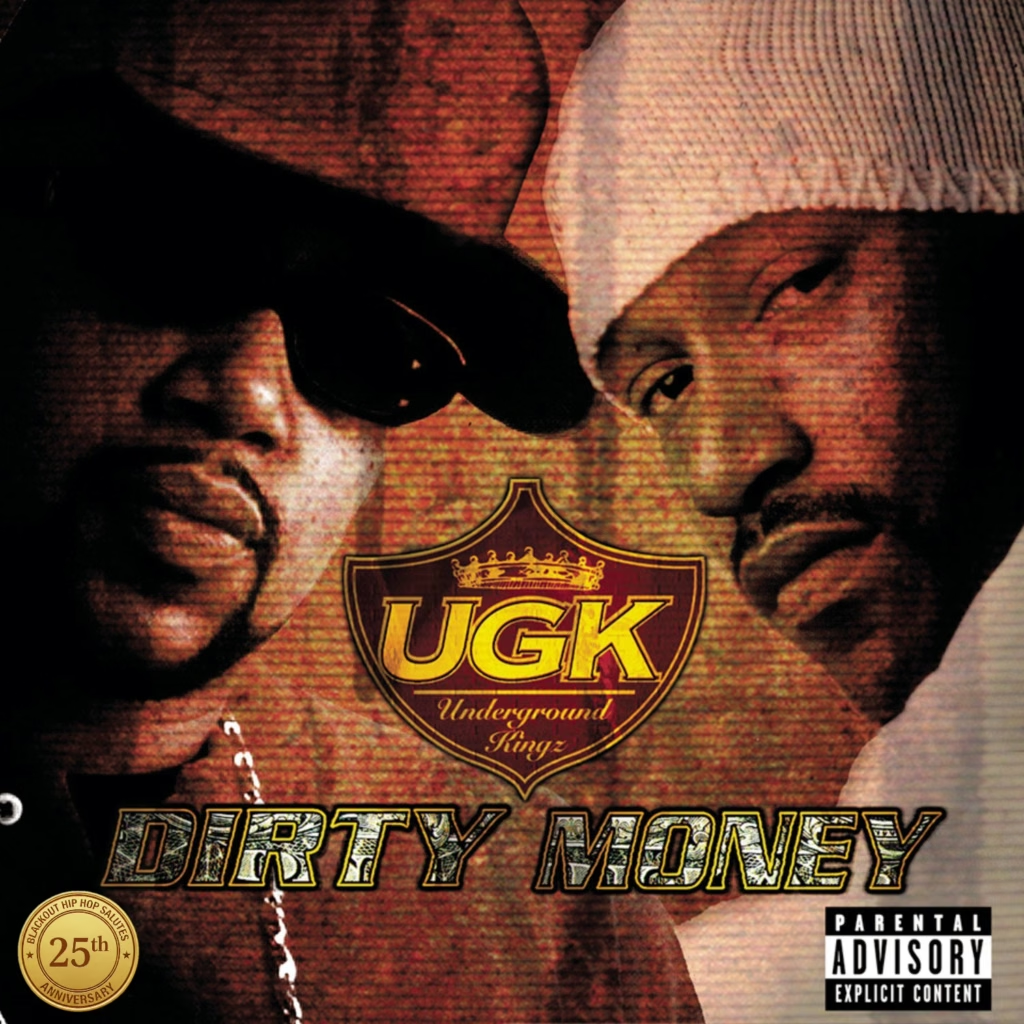
On this day, November 13, 2001, legendary Port Arthur, Texas duo UGK (Underground Kingz), composed of the incomparable Pimp C and Bun B, released their fourth studio album, Dirty Money, via Jive Records. Exactly a quarter-century later, this hard-nosed Texas classic stands as an unshakeable testament to Southern hip-hop authenticity at the dawn of the new millennium. Arriving after a five-year recording hiatus and sabotaged by an almost complete lack of promotional support from their label, Dirty Money proved that Underground Kingz never needed corporate polish or radio-friendly compromises to command universal respect across the rap landscape.
Five Years in the Making and the Mainstream Breakthrough
The road toward Dirty Money was long and marked by label friction, stretching all the way back to their 1987 formation in Port Arthur, their early Big Tyme Recordz EPs The Southern Way and Banned, and their 1992 major-label debut Too Hard to Swallow. After cementing their foundational status with Super Tight (1994) and their undisputed masterpiece Ridin’ Dirty (1996)—moving more than 850,000 units without a single music video—Pimp C and Bun B stepped back from the spotlight. Early advertisements for Dirty Money had actually surfaced inside Jive Records album booklets as far back as 1998, yet the project remained trapped in release limbo while recording sessions stretched between 1998 and 2001 across studios in Houston (Platinum Works, Atomic Dog) and Atlanta (PatchWerk, Silent Sound, D.A.R.P., and UGK Studios).
Everything shifted dramatically in 2000, when UGK became overnight household names through two seismic guest appearances. First, they stole the spotlight alongside Jay-Z on the chart-topping smash „Big Pimpin’”, which climbed to number 18 on the Billboard Hot 100, followed rapidly by Three 6 Mafia’s iconic Southern anthem „Sippin’ on Some Syrup”. Industry observers naturally expected Jive to capitalize on this surging national momentum with a massive promotional rollout. Instead, when Dirty Money finally arrived in November 2001, the label dropped it quietly with virtually zero marketing push, minimal radio servicing, and scarce video support, leaving core fans to spread the word organically.
Pimp C and the Architecture of Southern Country Rap Tunes
Despite the lack of corporate backing, the musical craftsmanship across the fourteen-track, sixty-minute album was extraordinary. Serving once again as the duo’s primary sonic architect, Pimp C—alongside trusted collaborators N.O. Joe, John Bido, Bryan-Michael Cox, and Jermaine Dupri—crafted a lush, soulful, and trunk-rattling soundscape. Standing in sharp contrast to the sterile, synthetic club beats dominating mainstream radio at the time, Dirty Money pulsed with live-instrument warmth, blues grit, and classic seventies soul samples tailored for Gulf Coast slabs.
The album kicks off in uncompromising fashion with „Let Me See It”, built around an energetic sample of Run-DMC’s „Here We Go (Live at the Funhouse)” that immediately commands attention. It segues seamlessly into the street favorite „Choppin’ Blades”, cleverly interpolating Schoolly D and Bay Area pioneer E-40, while „Look at Me” and the fierce hometown anthem „PA Nigga” channel raw Port Arthur pride. One of the record’s undeniable commercial highlights, „Take It Off”, flipped Barry White’s silky „Love Serenade” into a smooth, charismatic anthem built for late-night cruising.
Yet the undisputed crown jewel of production by Pimp C and John Bido remains „Wood Wheel”. Anchored by a warm, gospel-drenched sample of The Staple Singers’ „Love Comes in All Colors”, thunderous basslines, and Pimp’s signature keyboard flourishes, the track paints an unforgettable picture of slow-rolling down Texas boulevards on gleaming rims. It remains the quintessential UGK sonic blueprint—effortlessly blending player elegance, street wisdom, and unmistakable Gulf Coast groove.
A Summit of Southern Royalty and Bun B’s Lyrical Authority
Beyond its rich production, Dirty Money features an elite, tightly curated roster of guests representing the finest voices in Southern and West Coast rap. On „Ain’t That a Bitch (Ask Yourself)”, Houston favorite Devin the Dude adds his laid-back wit over a bluesy B.B. King sample („Chains and Things”). Memphis trailblazers Eightball & MJG bring razor-sharp storytelling to „Gold Grill”, while Goodie Mob standout Big Gipp elevates the gritty cut „Don’t Say Shit”.
Equally vital are the collaborations highlighting UGK’s deep regional alliances across the Dirty South and California. Three 6 Mafia’s Juicy J and DJ Paul join forces with the duo on the menacing „Like a Pimp” (sampling Dennis Edwards’ „Don’t Look Any Further”), while Oakland pioneer Too $hort and Kool-Ace inject pure Bay Area game into the nearly six-minute epic „Pimpin’ Ain’t No Illusion”. Meanwhile, the title track „Dirty Money” delivers a sobering reflection on the heavy price of street ambition, C-Note holds down „Holdin’ Na”, and Jermaine Dupri contributes both production and vocals on the closing cut „Money, Hoes & Power”, while Bun B anchors every single verse with his booming baritone and unmatched technical command.
Incarceration, Triumphant Return, and a 25-Year Legacy
Even without label promotion, respected critics at outlets like The Source and AllMusic praised the album’s uncompromising quality, and it earned a place on Billboard’s 2002 Year-End Top R&B/Hip-Hop Albums chart. Tragically, the months immediately following the album’s November 2001 arrival ushered in the most turbulent chapter of the group’s career. Shortly after Dirty Money hit shelves, Pimp C was sentenced to eight years in prison for a probation violation, sidelining the duo indefinitely. Throughout Chad Butler’s incarceration from 2002 until December 2005 (during which Jive issued the compilation Side Hustles), Bun B kept the UGK banner flying high through relentless touring, guest verses, and the „Free Pimp C” movement, ensuring that Dirty Money steadily grew in stature among younger hip-hop generations.
Upon Pimp C’s release from prison in December 2005, the resilient duo immediately reunited in the studio to score a historic #1 Billboard 200 triumph with their acclaimed 2007 double album Underground Kingz featuring Outkast, just months before Pimp’s heartbreaking passing in December 2007. Twenty-five years after its understated debut, Dirty Money stands tall as an essential pillar in the legacy of UGK—a vital bridge between nineties Southern grit and the mid-2000s Houston explosion, and a defiant, soulful, and fiercely independent record that proved real Southern royalty never fades.