Mac Miller: 15 Years of Debut Album “Blue Slide Park”
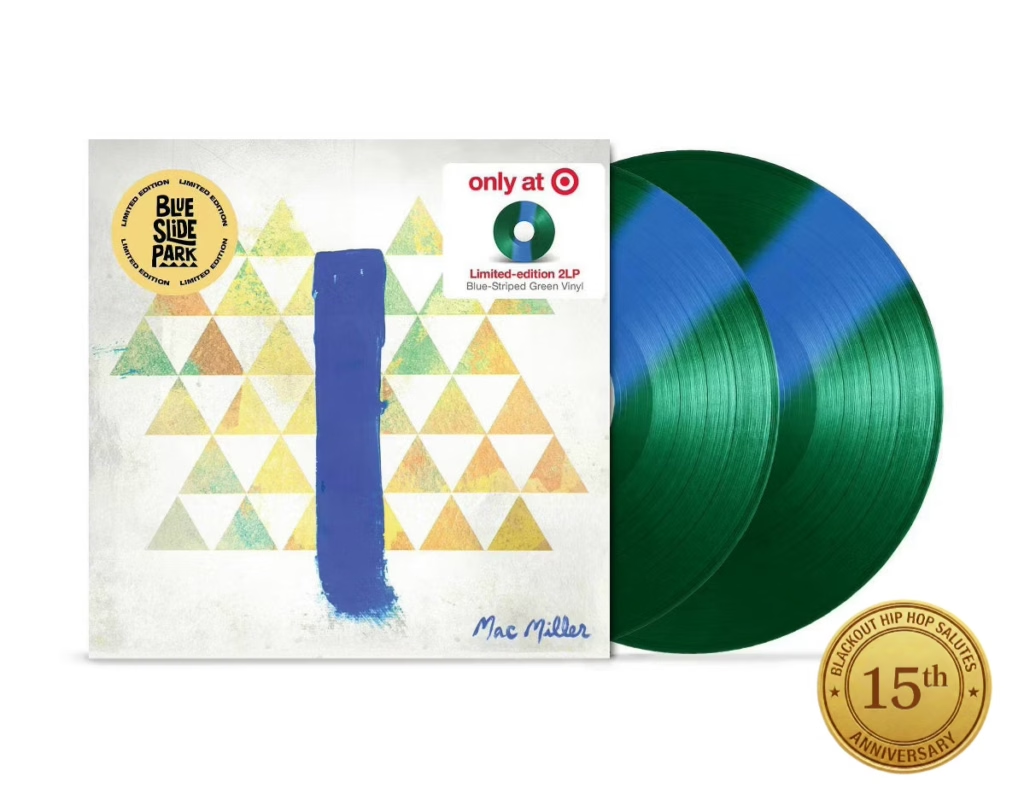
On this day, November 8, 2011, a nineteen-year-old visionary from Pittsburgh, Mac Miller (Malcolm James McCormick), released his debut studio album Blue Slide Park via the pioneering independent label Rostrum Records. Exactly fifteen years later, viewed through the lens of his untimely passing and subsequent ascent into one of the most revered musical icons of his generation, this album stands as a defining milestone in modern hip-hop history. It captured an exhilarating cultural moment when an infectious young talent, armed with unmatched passion, an organic grassroots fanbase, and profound hometown loyalty, completely bypassed the major-label industrial complex to conquer the summit of American music entirely on his own terms.
The Pittsburgh Dream and an Historic Billboard Breakthrough
The journey toward Blue Slide Park took root in the East End of Pittsburgh, where Malcolm spent his formative childhood and teenage years hanging out with friends. The album title pays direct tribute to the beloved playground within the expansive woodlands of Frick Park, famous for its distinct blue-painted concrete slide where neighborhood kids had gathered for decades. After igniting a worldwide internet explosion through breakthrough mixtapes like K.I.D.S. (2010) and Best Day Ever (2011)—with generational party anthems such as „Donald Trump” and „Kool Aid & Frozen Pizza” amassing tens of millions of views—the music industry eagerly anticipated a major bidding war for his signature.
Rejecting corporate suitors, Malcolm and his manager Benjy Grinberg chose to remain steadfastly independent with Pittsburgh’s own Rostrum Records, the groundbreaking label that had previously launched his close friend and mentor Wiz Khalifa. Relying entirely on grassroots social media power and an unshakeable bond with his listeners, with zero major corporate radio backing, the record shocked the industry by selling 144,000 copies in its first week. Blue Slide Park debuted at number one on the US Billboard 200, becoming the very first independently distributed debut album to top the chart since Tha Dogg Pound achieved the feat in 1995 with Dogg Food. It was an historic triumph that proved the digital age had officially democratized the music business.
Sonic Craftsmanship: ID Labs and Pure Hometown Energy
Musically and sonically, Blue Slide Park was an authentic, handcrafted labor of love constructed in Pittsburgh. Rather than enlisting celebrity hitmakers, Mac Miller entrusted the sonic architecture almost entirely to his trusted home-team production unit ID Labs, spearheaded by visionary sound architects E. Dan and Big Jerm, alongside essential contributions from multi-instrumentalist Ritz Reynolds. Notably, the entire sixteen-track tracklist features zero guest vocalists—a remarkably bold artistic decision that kept the spotlight squarely focused on Mac’s charismatic storytelling, melodic cadences, and vibrant youthful perspective.
The campaign launched with lead single „Frick Park Market”, a bouncy homage to the neighborhood deli where Malcolm worked before music transformed his life. Accompanied by a joyful, community-centered music video, the track immediately went viral. It was soon followed by the irresistible party anthem „Party on Fifth Ave.”, which ingeniously flipped the iconic saxophone loop from Mark The 45 King’s „The 900 Number” into a high-octane stadium banger that remains a live performance classic. The distinctive visual artwork for the project was designed by his older brother, Miller McCormick, reinforcing the intimate, homegrown creative circle that defined this era.
Beyond the uptempo bangers, the project showcased significant stylistic versatility. The aggressive, defiant cut „Smile Back” served as an energetic rebuttal to early skeptics and industry gatekeepers, quickly becoming Miller’s highest-charting song on the Billboard Hot 100 at the time despite not being serviced as a formal radio single. The evocative title track „Blue Slide Park”, released after pre-orders soared past 25,000 copies, revealed an introspective young man contemplating the swift onset of fame while clinging tightly to the innocence of youth. Warm, sun-drenched tracks like „Diamonds & Gold” and „Under the Weather” radiated breezy charm and heartfelt brotherhood.
However, the emotional centerpiece of the album was undoubtedly the timeless ballad „Missed Calls”, masterfully produced by Ritz Reynolds. Driven by melancholy acoustic guitar chords and tender, honest vocal reflections, Mac Miller documented the painful unraveling of a high school relationship under the relentless pressure of touring and burgeoning celebrity. The song revealed an artist of rare emotional vulnerability, foreshadowing the introspective depth that would soon define his greatest works. Meanwhile, cuts like „Of the Soul” paid homage to golden-era boom-bap, proving that underneath the party persona lay a student of lyrical fundamentals.
The Crucible of Criticism and the Artistic Rebirth
Despite its historic commercial triumph and massive fan devotion, Blue Slide Park encountered an unexpectedly harsh reception from establishment music critics upon release. Pundits and legacy publications—most notoriously highlighted by Pitchfork’s scathing 1.0 out of 10 score—lazily dismissed the record as lightweight frat-rap, overlooking its historic independent accomplishment and melodic ingenuity. The severity of the backlash stung the nineteen-year-old artist deeply, as he had poured his unfiltered soul into every bar. Yet, rather than letting cynicism derail him, that critical crucible became the single most consequential catalyst of his artistic evolution.
The sting of that reception propelled Malcolm to relocate to Los Angeles, build a home sanctuary studio, and immerse himself completely in musical experimentation. He mastered the piano, guitar, and drums, adopted the production moniker Larry Fisherman, and began collaborating with vanguard artists across jazz, soul, and psychedelic hip-hop. The immediate results were staggering: 2012’s atmospheric mixtape Macadelic and his transformative second studio album Watching Movies with the Sound Off (2013) completely redefined how the world perceived him. That creative hunger paved the path toward modern masterpieces including GO:OD AM (2015), The Divine Feminine (2016), the Grammy-nominated triumph Swimming (2018), and the posthumous classic Circles (2020).
Fifteen Years of Enduring Legacy: Remembering Malcolm McCormick
Looking back across a full fifteen-year horizon, time has definitively vindicated Blue Slide Park. The album, which went on to earn RIAA Gold certification with hundreds of thousands of copies sold, endures not merely as a nostalgic time capsule of 2011, but as a monument to youthful sincerity. There were no focus-grouped guest features, no corporate calculations, and no manufactured trends—only a gifted kid from Pittsburgh making joyous music with his closest friends. By proving that an independent artist could conquer the industry summit through authentic community engagement, Mac altered the blueprint of modern music forever.
Following his tragic passing in September 2018, thousands of fans instinctively gathered at the blue slide in Frick Park for candlelight vigils, finding solace in the very playground that inspired his debut. The city of Pittsburgh has since embraced the park as a sacred site of remembrance for music lovers around the globe. Fifteen years on, Blue Slide Park remains an uplifting, bittersweet testament to a brilliant soul whose infectious warmth and boundless creativity will continue to inspire generations of hip-hop dreamers.