25 Years of “Hi-Teknology”: The Day Tekzilla Ruled the Game
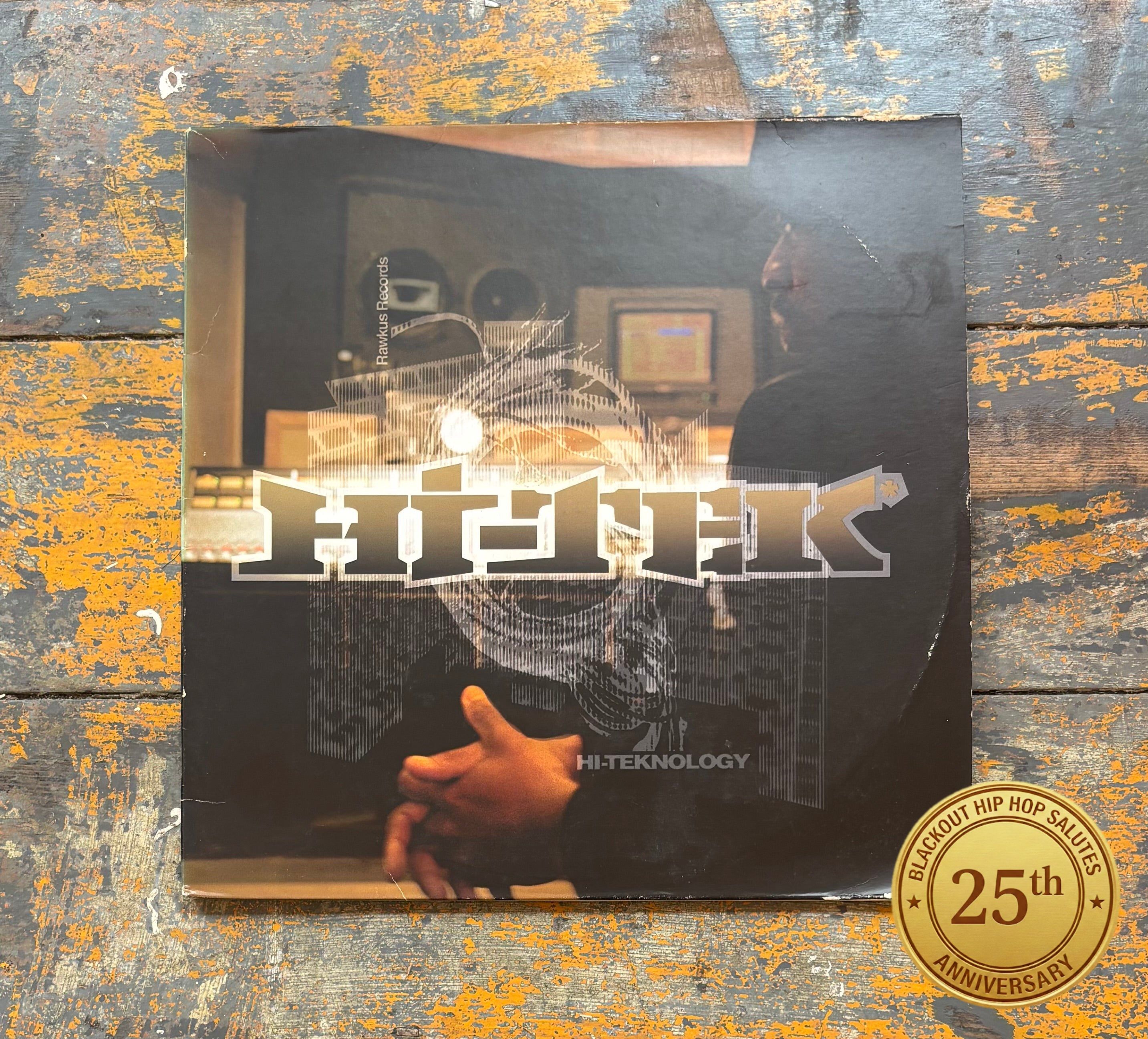
Architecture of Soul: 25 Years of Hi-Teknology
Looking back at May 2001, the hip hop scene was in a unique state of flux. Rawkus Records was at its zenith, symbolizing everything the independent scene offered against the rising tide of commercialism. Within this context, on May 8th, Tony Cottrell—better known as Hi-Tek—dropped his solo debut, “Hi-Teknology”. Today, a quarter-century later, that project doesn’t just sound like nostalgia; it sounds like a masterclass in musicality.
From Cincinnati to the Rawkus Throne
Hi-Tek didn’t hail from New York, which was a significant distinction at the time. He brought the warmth of Cincinnati to the cold concrete jungles of Brooklyn. Before Hi-Teknology saw the light of day, Tek was already a shadow hero, the man who shaped the sound of Black Star and Reflection Eternal. His work with Talib Kweli on Train of Thought set the bar high, but the solo debut was the moment “Tekzilla” had to prove he could captain the ship alone.
Perfect Guest Curation
What sets Hi-Teknology apart from the mass of producer albums—which often feel like random compilations—is its coherence. Hi-Tek wasn’t just collecting vocalists; he was building a sonic world for them.
“The Sun God” featuring Common and Vinia Mojica is still regarded as one of the finest examples of atmospheric production. Common’s flow over Tek’s layered synths feels like a spiritual experience.
On the flip side, “Round & Round” with singer Jonell was that perfect “joint” that bridged underground credibility with R&B sensibility, becoming a legitimate radio hit. While the original version from Hi-Tek’s debut never received an official music video due to promotional hurdles and financial troubles at Rawkus Records, the song found massive success through its remix featuring Method Man . This version was a centerpiece of the 2001 cult classic How High soundtrack, which secured a high-budget music video under the Def Jam banner. According to Hi-Tek, adding Method Man was a strategic move initiated by Kevin Liles at Def Soul, as the Wu-Tang rapper was at the absolute peak of his popularity at the time . This remix eventually became a club anthem and reached number one on the Billboard Rap chart, cementing Hi-Tek’s status as a producer capable of creating mainstream hits without losing his signature authentic sound .
The album also featured heavyweights like Mos Def on “Get Ta Steppin‘” and Cormega on “All I Need Is You,” where street narratives blended seamlessly with soulful backdrops. Hi-Tek managed to pull the best out of everyone, never letting the big names overshadow the production itself.
The Magic of the MPC 60
Technically speaking, this album is a monument to the analog era. Hi-Tek is famous for utilizing the Akai MPC 60 and MPC 3000 to achieve that specific “swing” and drum warmth. In an age where digital production began to dominate, Tek remained loyal to vinyl and hardware. His approach was organic—often recording vocals to tape before building the arrangement around them, a texture clearly audible in tracks like “Suddenly” or “Breakin’ Bread“.
Behind-the-Scenes Drama and Legacy
Although the album was a critical and commercial success (selling over 250,000 copies), its release period was marked by tensions with Rawkus. Hi-Tek had to fight for his vision, even at the cost of clashing with the label over tracks that were ultimately left off, such as a collaboration with Snoop Dogg. That integrity eventually opened the doors to Aftermath Entertainment, where he became a staff producer for Dr. Dre, crafting hits for 50 Cent and The Game.
Today, Hi-Tek is an inductee of the Cincinnati Black Music Walk of Fame, and Hi-Teknology remains essential listening. This album isn’t just a collection of beats; it’s proof that a producer can be a true auteur. If you haven’t spun it lately, today is the perfect day to fix that.