Uptown Saturday Night Revisited – 29 Years Later
Author: RAProgram
Some albums are announced as classics. Others just keep showing up, year after year, until one day you realize they never left. Camp Lo’s Uptown Saturday Night belongs to that second category.
When it dropped in ’97, it didn’t sound like what rap was supposed to sound like at the time. No urgency to compete with the loudest records on the shelf, no pressure to fit the moment. Camp Lo moved differently. They sounded relaxed, confident, almost amused by everything happening around them. Like they knew trends would pass, but style sticks.
Sonny Cheeba and Geechi Suede weren’t rapping to impress crowds — they were talking their talk. Dense slang, sideways references, lines that didn’t care if you caught them on first listen. And that’s why people kept rewinding it. This was rap that rewarded attention. The more time you spent with it, the deeper it pulled you in.
Ski Beatz’ production gave the album its backbone. Dusty jazz loops, cruising basslines, drums that knocked without ever forcing the issue. Nothing flashy, nothing overworked. Just beats that felt lived in, like records that already had history the moment they were pressed. The sound aged without cracking.
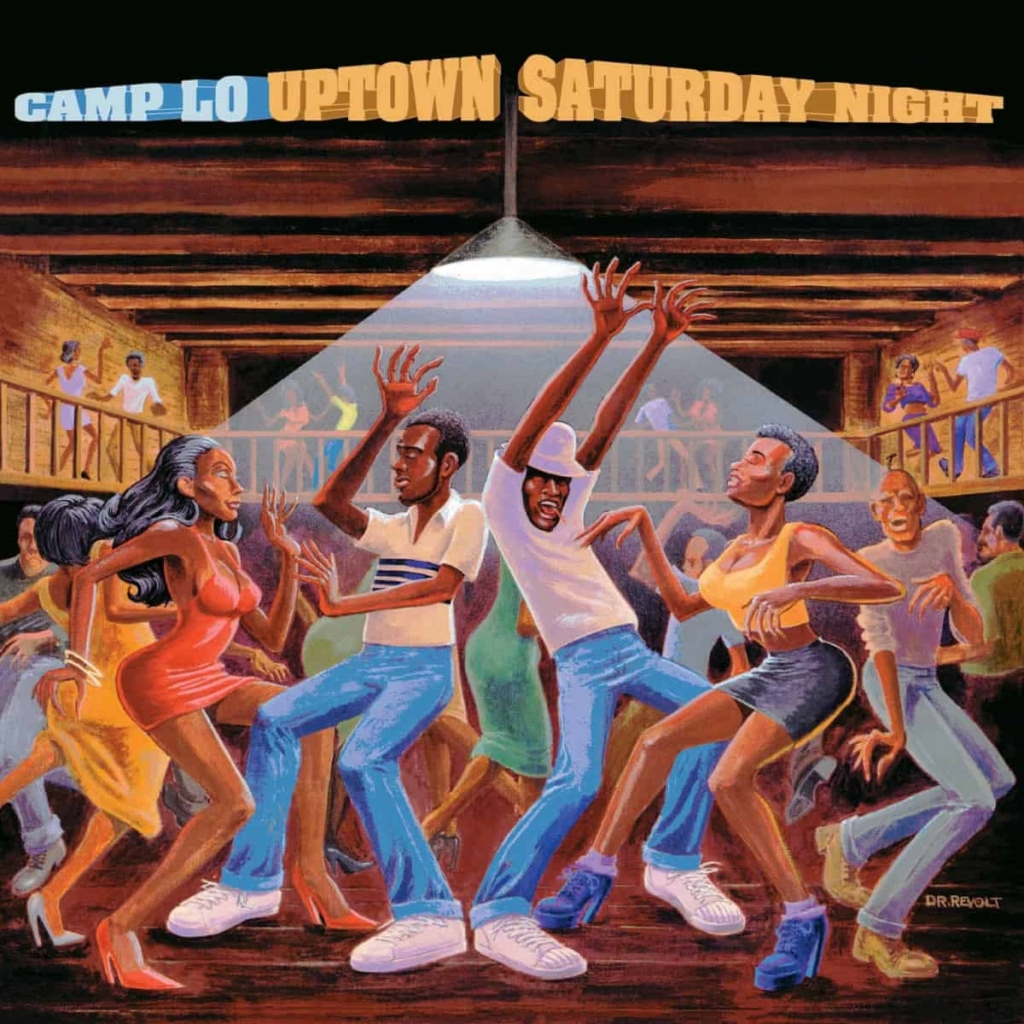
Tracks like Luchini, Coolie High, and Black Nostaljack didn’t chase hits — they built atmosphere. They made you feel like you were stepping into a world with its own language, its own rhythm, its own rules. Harlem elegance mixed with The Bronx grit, filtered through cinema, street lore, and pure personality. Even the album cover is part of the story: inspired by Marvin Gaye’s I Want You cover (itself based on Ernie Barnes’ iconic painting The Sugar Shack), it gives the album a retro, 70s vibe that perfectly matches Camp Lo’s jazzy, soulful, and cinematic sound.
What’s wild, almost three decades later, is how untouched this album feels. It didn’t date itself by chasing whatever was hot. It didn’t overexplain its identity. It trusted its own flavor. That confidence is why Uptown Saturday Night still sounds fresh while so many louder records from the same era feel locked in their time.
This isn’t just a classic because people say it is. It’s a classic because it still works — in the car, late at night, headphones on, no context needed. It reminds you that hip-hop doesn’t always have to shout to be heard. Sometimes it just has to glide.
Twenty-nine years later, the hype is gone, the era debates are over, and what’s left is the music. And this one?
Still smooth. Still sharp. Still right on time.
Bars > Numbers