Mark Chopper Read: 20 Years of Interview with a Madman
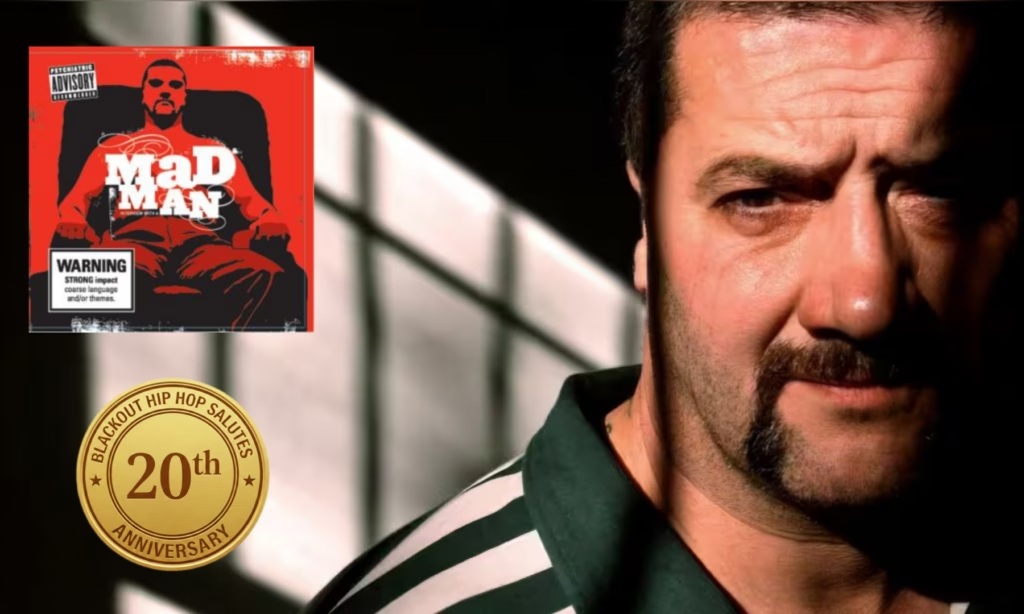
When we talk about “gangsta” rap, we usually think of artists who interpret the harsh reality of the streets through their lyrics. However, in the case of the Interview with a Madman project, the roles were reversed. Here, we didn’t have a rapper trying to sound like a criminal, but Australia’s most famous convict attempting to master the microphone. By 2006, Mark Brandon “Chopper” Read was already a pop-culture icon thanks to the Eric Bana-led biopic and a series of best-selling books, but this album was something else entirely – a direct incursion into the mind of a man who spent over 23 years behind bars.
The genesis of the album is a story in itself. The project wasn’t initiated by a major label mogul, but by a young enthusiast named Jesse. Jesse met Read while doing work experience on a film set and proposed a collaboration. Chopper was initially skeptical, as his personal taste leaned toward Country music (specifically David Allan Coe), but he was won over by Jesse’s persistence. Jesse worked at Pizza Hut for three years to save the $30,000 required to fund the album’s production. Chopper, respecting “a kid with a dream,” agreed to the sessions, and thus the Rott’n Records label was born.
Although Chopper was technically not a rapper in the traditional sense – his vocals often sounded like “prison yard nursery rhymes” or narrative anecdotes over a beat – the musical backdrop was top-tier. The album featured some of the most significant names in the Oz Hip Hop scene: Ciecmate, Dazastah, DJ Selekt, Simplex, and Weapon X. Even New York “death rap” veteran Necro produced and featured on the track “Do It,” recognizing Read’s morbid sensibility as a natural fit for his style.
The album consists of 28 tracks, many of which are “skits.” These spoken-word segments are the heart of the release. In them, Read demystifies cinematic violence, such as the famous ear-cutting scene in Tarantino’s Reservoir Dogs, explaining in gruesome detail how much blood actually flows when such an act occurs. Skits like “Razors in the Soap” provide a glimpse into the psychological warfare he waged in the notorious H Division of Pentridge Prison.
The central theme of the album was Read’s obsession with authenticity. He openly called out American stars like 50 Cent, questioning who they had actually ever killed or wounded. For Chopper, credibility wasn’t bought with gold chains, but with years spent in solitary confinement and scars that were real. The track “Played More Gangsters” hits this nerve directly, positioning Read as the only “real” criminal in the genre.
Features from Hunter (RIP to the Perth legend), the Adelaide crew Terra Firma, and Phrase gave the album the necessary hip hop legitimacy. “Remember Me” with Terra Firma stands out in particular; its melancholic tone addresses themes of addiction and loss, showing that despite his psychopath image, Read possessed a certain level of humanity and introspection.
Looking at it objectively, Interview with a Madman is not an album you play for complex flow. Its value lies in its documentary-like portrayal of an era and a man who became a myth. At the time of its release, the album was accompanied by a controversial anti-domestic violence campaign, which Read used to “correct” his image from the movie, where he was depicted as someone who hits women – a claim he categorically denied until the end of his life.
Today, this release holds cult status among collectors. Original CD copies fetch solid prices on Discogs, and for fans of the authentic Oz sound, it remains a reminder of a time when the independent scene was willing to take the wildest risks. Chopper passed away in 2013, but this album still stands as a monument to a man who, for at least 65 minutes, made the entire hip hop community listen to his version of the truth.